
Workplace wellness is a trend that just keeps getting better and better! And we can’t blame you for wanting to get on board. After all, it boosts employee morale and engagement, increases productivity, creates a more inclusive culture, reduces absenteeism, and even helps prevent heart disease, so what’s not to love?
While many businesses like the idea of workplace wellness, a common stumbling block is how to put it into action. While these strategies should be tailored to your budget, employee needs, and even your brand focus, we’ve put together some actionable ideas that anyone can use to get started!
#1 – Physical wellness
When we get up and get moving, we see great results. Our stress levels and blood pressure drop, we get a boost of energy and oxygen floods through our brains and bodies. Not only does it help reduce illness risks, anxiety, depression, and risk of heart attacks, but it also makes us more focused and creative in problem-solving.
- Sponsorship and engagement for personal goals – From office athletes to those of us still trying to stick to our New Year’s resolutions, supporting personal fitness goals are a great way for businesses to encourage wellness. Ask your teams to let you know when they’re training for a marathon or bike ride, or even hitting the gym. Create some millstones to share with your teams, share their success stories, and even sponsor them as a company when they work out for a good cause. It’s great for building strong team relationships and a sense of community too.
- 5-minute breaks – Just 5 minutes of activity each hour refreshes your body and mind, helps to refocus and boosts productivity. The best version of this is to take a 5-minute walk, sit outdoors, or even just have a chat while you walk around the office. This can also be combined with events like 5 minutes of stretching, breathing exercises, or having a glass of lemon water.
- In-house competitions – Keep in mind this is meant to be fun and not everyone enjoys intense physical exercise! Making things competitive in an enjoyable way is a great bonding experience and doesn’t need to push people too far out of their comfort zones. Teams and individuals can have monthly events for the most steps taken, the most gym visits, the most kilometres covered, or anything else that catches your fancy. Combine this with a prize like an afternoon off or ordering lunch.
#2 – Mental wellness
Our brains didn’t develop in a way that accommodates the constant flow of stress in daily life or the ability to focus effectively for 8-hour stretches. This takes a toll on work and life, increasing risks of depression and anxiety as well as heart disease, obesity, and a weakened immune system.
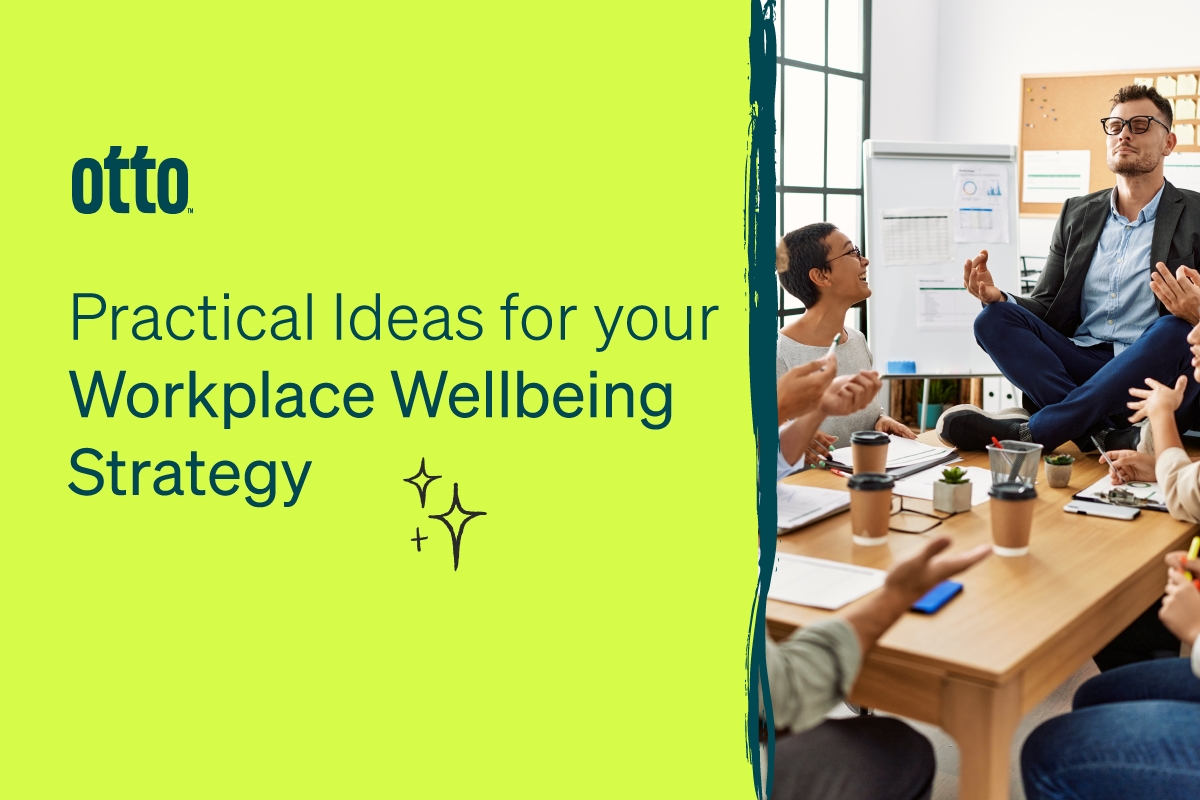
- Meditation events – Host meditation classes once or twice a week and give people a quiet break space where they can practice their technique. Meditating for just 10-15 minutes lowers stress hormone levels, balances the mind, and helps people think clearly and creatively. This can be supported by app subscriptions to Calm, GPS for the Soul, My Mood Tracker, and Happify.
- Lunch and learn events – Learning and curiosity should always be fostered and encouraged, not only because it’s great for team development but also because learning something new is a very healthy exercise for mental well-being. Short lunchtime workshops can include any areas of interest for your team, but don’t need to be work-related. Have an artist come in and show their work, a pianist performance, an interesting lecture, a yoga class, or anything else that appeals to your teams.
- Financial fitness – Finances are one of the most stressful areas of most people’s lives, so having an event hosted by budgeting and financial specialists can be a great way to support your team’s mental well-being! You can also make financial coaching available to your employees or provide subscriptions to apps like Mint, You Need a Budget, Personal Capital, or Digit.
#3 – Hybrid and remote work wellbeing
Hybrid arrangements have become the norm for a lot of workplaces, and that shift brings its own wellbeing challenges. Staff working from home several days a week can end up isolated from the team, or find it harder to switch off once the laptop lid stays open past knock-off time. A wellbeing strategy that only covers people in the office misses a growing chunk of your workforce entirely.
- Set clear boundaries around availability – Encourage staff to switch off notifications outside agreed hours, and model this behaviour from leadership down. Nobody feels comfortable logging off at 5pm if the boss is sending emails at 9pm expecting a quick reply.
- Build in regular face time – Video calls that stay purely task-focused can leave remote staff feeling disconnected from the team. Schedule occasional catch-ups with no agenda beyond checking in, or bring hybrid teams together in person once a month where distance allows.
- Support the home setup, not just the office one – A dodgy chair or a laptop balanced on a kitchen table takes a real toll over time. Where budget allows, contribute towards proper equipment for staff working from home, and make sure the remote IT support behind it all actually holds up under everyday use.
Remember to make it easy for employees to submit their input to help shape what initiatives they’d like to see, what they do or don’t enjoy, and get ideas on how to best expand your wellness workplace strategy!
Work with our managed IT service provider in Melbourne to bring tech into your wellness projects
A genuine wellbeing strategy doesn’t need a huge budget to make a difference. Small, consistent actions build trust over time far more effectively than one big gesture that fades after a month. Start with whatever feels achievable this quarter, ask your team what they actually want, and build from there. At Otto, a managed IT service provider in Melbourne, we’re proud to be a certified Great Place to Work, and we know firsthand how much a supportive workplace culture matters. If technology is part of what’s holding your wellbeing goals back, whether that’s clunky remote access, unreliable systems, or a setup that makes hybrid work harder than it should be, get in touch and we’ll help you sort it.
FAQs
How much budget do we actually need to start a workplace wellbeing strategy?
You can start with almost no budget at all. Simple initiatives like 5-minute movement breaks, a shared meditation app subscription, or a regular lunch and learn cost very little compared to the benefits they bring. The most effective strategies usually build up gradually, starting with low-cost ideas and expanding once you see which ones your team actually engages with. Trying to launch a huge, expensive program all at once often backfires, since staff may not connect with every initiative equally.
How do we measure whether our wellbeing strategy is working?
Simple feedback loops work best for most small and mid-sized businesses. Short anonymous surveys after each initiative, casual check-ins during team meetings, and tracking participation rates all give you a clear read on what’s landing and what isn’t. Watch for softer signals too, such as changes in sick leave patterns or general team morale, since these often shift before anyone mentions it directly in a survey.
Can a wellbeing strategy work for a fully remote team?
Yes, though it needs deliberate adjustment rather than a straight copy of an office-based plan. Focus on initiatives that don’t require physical presence, such as virtual meditation sessions, online lunch and learns, and clear communication norms around working hours. Regular video check-ins that aren’t just about tasks help remote staff feel genuinely included rather than isolated from the rest of the business.
managed it support articles
Related Blog Articles
Discover more insights to optimise your business with the latest IT trends and best practices. Stay ahead of the curve by learning how to leverage cutting-edge technology for success. Explore expert advice and valuable guidance to navigate the evolving world of IT solutions