

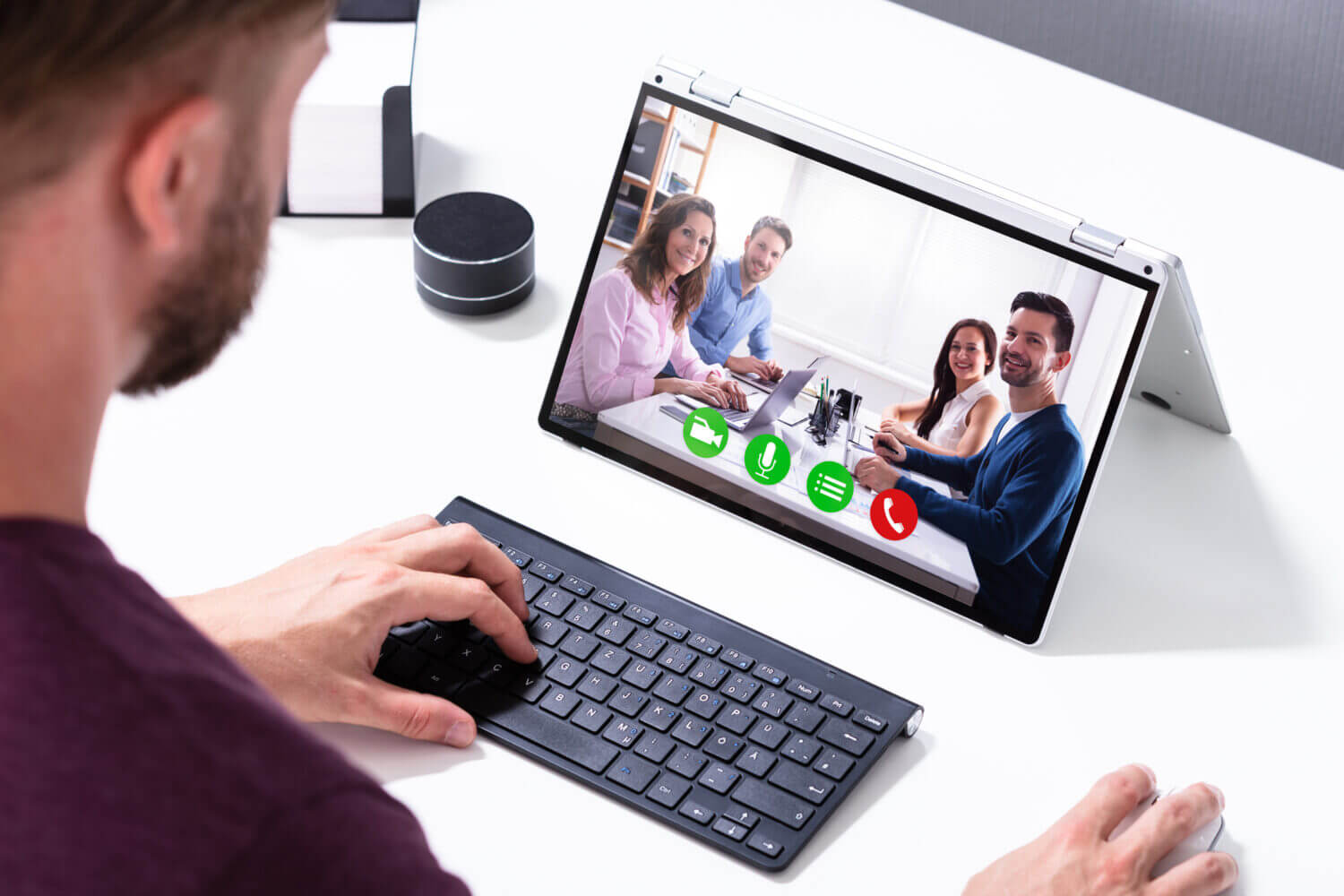
Struggling to balance remote work with office culture? Discover why hybrid work isn’t just a compromise, it’s the future. Learn how the right tech can make it seamless, productive, and surprisingly cost-effective.
There’s no denying it. Remote work hit the business world like a freight train. Most companies weren’t ready, and many scrambled to adapt. Now we’re seeing the pendulum swing the other way, with some organisations pushing hard to get people back into the office full-time.
But here’s the thing, neither extreme works for everyone. The real sweet spot? Hybrid work, and it’s not just a compromise, it’s a win-win for both businesses and employees.
- Why Employees Want Flexibility (And Why You Should Care)
Most people don’t want to be stuck in traffic five days a week just to sit at a desk they could easily replicate at home. If they can pick up the kids, walk the dog, and still hit every deadline, why wouldn’t they want that?In fact, more than a third of Australians say they’d quit if forced back into the office full-time. That’s not just a stat. It’s a warning. With the current skills shortage, losing talent over rigid work policies could mean serious hiring headaches and higher turnover costs. - But Not Everyone Loves Working From Home
Here’s where it gets tricky. Some people genuinely prefer the office. Maybe they focus better there. Maybe their home setup isn’t ideal. Or maybe they just like the clear boundary between work and personal life. So forcing remote work isn’t the answer either.
Hybrid Work: The Balanced Solution
It Boosts Productivity
Despite what some managers might fear, hybrid work doesn’t mean slacking off. Studies from Microsoft, Stanford, and Harvard have shown that productivity actually increases. Why? Because people feel trusted. They have more control over their time, and that autonomy leads to better engagement and job satisfaction.
It Saves Money
Running a lean business? Hybrid work can save up to $14,300 per employee annually. Less office space, lower utility bills, fewer overheads. Employees save too, on commuting, lunches, and other daily costs. .
It Helps You Attract and Keep Talent
In today’s job market, flexibility is a major selling point. Hybrid work helps reduce turnover, which costs around $23,000 per lost employee, and attracts high-performing candidates who value autonomy and balance. It’s not just a perk. It’s a competitive advantage.
Otto IT’s Top 10 Tech Tips for Working Remotely
1. Use a VPN.
It’s not just for accessing company files. A VPN, or Virtual Private Network, encrypts your internet connection so your data stays private. Whether you’re working from a café or your home Wi-Fi, it’s a simple way to stay secure.
It’s not just for accessing company files. A VPN, or Virtual Private Network, encrypts your internet connection so your data stays private. Whether you’re working from a café or your home Wi-Fi, it’s a simple way to stay secure.
2. Keep your software updated.
Yes, those pop-ups are annoying. But they’re also your first line of defence against security threats. Update your operating system, browser, antivirus, everything. If you tend to forget, set it to auto.
Yes, those pop-ups are annoying. But they’re also your first line of defence against security threats. Update your operating system, browser, antivirus, everything. If you tend to forget, set it to auto.
3. Don’t ignore multi-factor authentication.
It might feel like an extra step, but it’s one of the easiest ways to block unauthorised access. If your company offers it, use it. If they don’t, it’s worth asking why.
It might feel like an extra step, but it’s one of the easiest ways to block unauthorised access. If your company offers it, use it. If they don’t, it’s worth asking why.
4. Back up your files.
Cloud storage is great, but it’s not foolproof. Use a backup tool or external drive to keep a second copy of your important files. Sync fails sometimes, internet drops, things go wrong.
Cloud storage is great, but it’s not foolproof. Use a backup tool or external drive to keep a second copy of your important files. Sync fails sometimes, internet drops, things go wrong.
5. Secure your home network.
Change your router’s default password. Enable WPA3 encryption if it’s available, and avoid naming your Wi-Fi something like “WorkFromHomeHQ” – it’s a bit of a giveaway.
Change your router’s default password. Enable WPA3 encryption if it’s available, and avoid naming your Wi-Fi something like “WorkFromHomeHQ” – it’s a bit of a giveaway.
6. Use company-approved tools.
It’s tempting to use your favourite app for meetings or file sharing, but that can create security gaps. Stick to what IT recommends. If it’s clunky, raise it with them rather than bypassing it.
It’s tempting to use your favourite app for meetings or file sharing, but that can create security gaps. Stick to what IT recommends. If it’s clunky, raise it with them rather than bypassing it.
7. Keep work and personal separate.
Use different devices if you can. If not, at least separate your browser profiles, email accounts, and storage folders. Mixing work and personal data is messy and risky.
Use different devices if you can. If not, at least separate your browser profiles, email accounts, and storage folders. Mixing work and personal data is messy and risky.
8. Lock your screen when you step away.
Even at home. Especially if you live with others. It’s a small habit that protects sensitive info and keeps you compliant with company policies.
Even at home. Especially if you live with others. It’s a small habit that protects sensitive info and keeps you compliant with company policies.
9. Be cautious with email links and attachments.
Phishing scams are getting smarter. If something feels off, don’t click. Hover over links, check sender addresses, and when in doubt, ask IT.
Phishing scams are getting smarter. If something feels off, don’t click. Hover over links, check sender addresses, and when in doubt, ask IT.
10. Don’t wait to report issues.
If your device is acting weird, your connection keeps dropping, or you suspect a breach, report it early. IT would rather deal with a false alarm than a full-blown incident.
If your device is acting weird, your connection keeps dropping, or you suspect a breach, report it early. IT would rather deal with a false alarm than a full-blown incident.
Conclusion: Hybrid Work Isn’t Just a Trend; It’s a Smarter Way Forward
The way we work has changed. Not perfectly, not permanently, and definitely not without a few bumps. But hybrid work isn’t just a temporary fix or a compromise between two extremes. It’s a thoughtful, flexible model that actually works, for people and for businesses.
It gives employees the autonomy they’re asking for, without sacrificing productivity or culture. It helps businesses cut costs, attract better talent, and stay competitive in a market that’s changing faster than most of us expected. When it’s backed by the right technology, it’s seamless.
Of course, hybrid work isn’t a plug-and-play solution. It needs planning, support, and the right tools to make it stick. That’s where Otto comes in.
Whether you’re just starting to explore hybrid options or you’re ready to scale up, we’re here to help you build a setup that’s secure, efficient, and tailored to your team.
Because work should work, wherever it happens.
managed it support articles
Related Blog Articles
Discover more insights to optimise your business with the latest IT trends and best practices. Stay ahead of the curve by learning how to leverage cutting-edge technology for success. Explore expert advice and valuable guidance to navigate the evolving world of IT solutions